
When you are thinking about improving your home in Johnson County KS, two terms you will often hear are home addition and remodel. At first glance these might seem similar, but they are two very different types of projects with distinct goals, costs, timelines, and results.
Choosing the right path for your home improvement project can make a big difference in how successful the project turns out and how happy you are with the finished space. In this blog we explain the difference between a home addition and a remodel, help you decide which type of project fits your needs, and offer tips for planning with confidence.
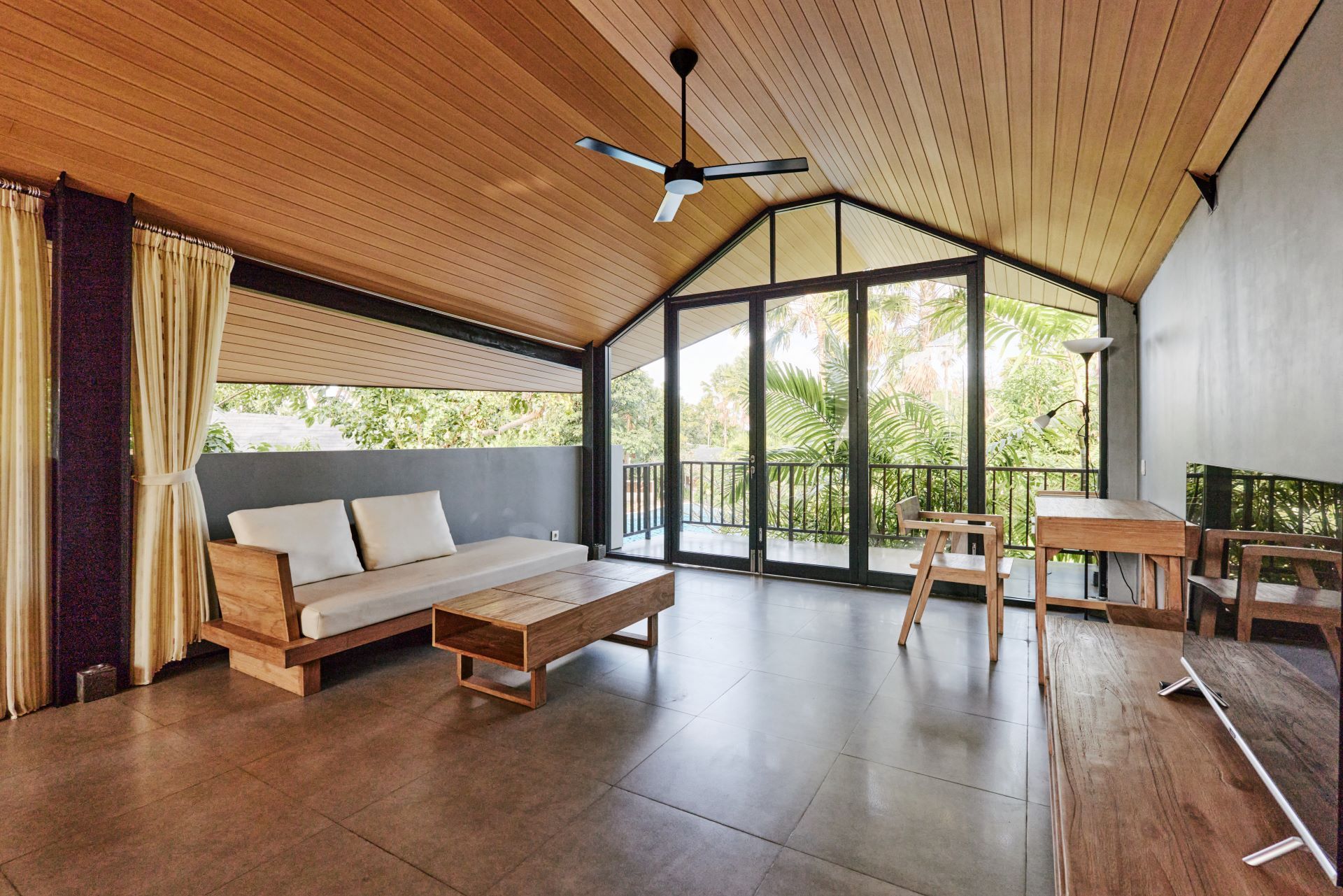
What Is a Home Addition?
A home addition is a construction project that adds new square footage to your home that was not there before. This means building new rooms or features onto your existing structure so you increase the size of your house.
A home addition can take many forms including:
- Adding a new bedroom or bathroom
- Building a second story over an existing part of the house
- Expanding your kitchen footprint
- Adding a sunroom or family room
- Building a garage or expanding an existing one
The hallmark of a home addition is that it changes the footprint of your home. It adds space that did not exist before rather than simply improving or reworking existing space.
Why Homeowners Choose Additions
People choose home additions when they need more space and want to keep the layout of their home logical and functional. Some common reasons include:
- A growing family needs more bedrooms
- You want a dedicated home office
- You need an accessible layout for aging in place
- You want a larger kitchen for entertaining
- You need more storage
An addition gives you the freedom to design a space that meets your specific needs, without rearranging the rest of your home.
What a Home Addition Project Involves
Because an addition changes the structure of a home, it often requires more planning and coordination than a remodel. Some of the key parts of an addition project include:
- Design and architectural plans. Your contractor and architect will work with you to map out the size, layout, and look of the new space.
- Permits and zoning. Additions must comply with local building codes and zoning regulations in Johnson County KS.
- Foundation work. Many additions require a new foundation, whether it is poured concrete or another type.
- Structural integration. The new space must connect seamlessly to the existing structure.
- Systems extensions. Electrical, HVAC, plumbing, and insulation must be extended into the new area.
Because of this scope,
home additions generally involve a longer timeline and higher costs compared to smaller remodels.
What Is a Remodel?
A remodel changes or improves an existing space inside your home without changing its footprint. Remodeling makes a space work better for you but does not add new square footage.
Common remodeling projects include:
- Updating a kitchen countertop, cabinets, or layout
- Renovating a bathroom with new fixtures and tile
- Converting a basement into a finished living space
- Opening up walls for an open floor plan
- Replacing flooring throughout the house
- Updating lighting and electrical
Remodels range from relatively small cosmetic updates to major reconfigurations of a space.
Why Homeowners Choose Remodels
Remodels are great when you want to:
- Improve the look and function of a space
- Modernize outdated finishes
- Make better use of existing room layouts
- Boost your home’s resale value
- Fix issues like aging plumbing, electrical, or structural problems
Remodels allow you to enjoy the space you already have in a way that better fits your lifestyle.
What a Remodel Project Involves
The scope of a remodel varies based on how deep the changes are. Here are typical remodel activities:
- Design and planning. Just like with additions, it helps to have a clear plan and design.
- Demolition. Removing cabinets, walls, fixtures, or finishes that are being replaced.
- Installation. Putting in new fixtures, finishes, cabinets, flooring, or appliances.
- Systems updates. Sometimes remodeling includes updating plumbing, electrical, or HVAC components.
- Finishing touches. Painting, trim, and hardware complete the new look.
Remodels can often be completed faster than additions because you are not altering the size or structure of the home itself.
Home Addition vs. Remodel: Key Differences
Let’s break down the main differences between home additions and remodels.
Square Footage
- Home Addition: Adds new square footage to your home.
- Remodel: Works within the existing space without increasing size.
Cost
- Home Addition: Generally higher cost due to structural work, foundation, and permitting.
- Remodel: Costs depend on materials and labor but usually lower than an addition.
Time
- Home Addition: Longer timeline due to construction complexity.
- Remodel: Shorter timeline when compared to additions of similar scale.
Structural Impact
- Home Addition: Changes the physical footprint of your house.
- Remodel: Keeps the existing footprint intact.
Permitting
- Home Addition: Requires more involved permits and inspections.
- Remodel: Still requires permits in many cases, but typically simpler.
How to Choose Between an Addition and a Remodel
Your choice depends on your goals, budget, timeline, local rules, and lifestyle needs. Ask yourself:
1. Do You Need More Space?
If your current home feels too small, an addition may be best. A remodel can improve functionality but not add space.
2. What Is Your Budget?
If budget is a major factor, remodeling is more cost-effective. But if expanding space is key, a home addition adds long-term value.
3. How Long Can You Wait?
Additions take longer. If you need fast results, a remodel may be the better choice.
4. How Do You Use Your Home?
Do you need space for kids, guests, hobbies, or work? Your answers help guide your decision.
5. What Will Add the Most Value?
Additions increase square footage and resale value. Remodels, especially kitchens and bathrooms, also offer a strong return.
Examples of When to Choose Each
Growing Family
You need more bedrooms or a larger living area. A home addition is likely your best option.
Outdated Kitchen
If your layout works but finishes are tired, a kitchen remodel can refresh the space.
Need for a Home Office
Remodeling an attic or basement may solve your workspace needs without building new square footage.
Master Suite Upgrade
If your suite is small or awkward, a remodel or small addition can enhance comfort.
Planning Your Project in Johnson County KS
Whether you choose an addition or remodel, here’s how to plan for success:
Start With a Clear Vision
Gather inspiration and define your must-haves.
Set a Realistic Budget
Include materials, labor, permits, and a contingency buffer.
Understand Local Codes
Your contractor will handle permits, but it helps to know the basics.
Choose an Experienced Contractor
A trusted local builder will provide reliable timelines and quality work.
Communicate Throughout
Stay involved to keep your project on track.
Ready to Improve Your Home?
Want more space or a better space? Understanding the difference between a home addition and a remodel helps you choose the right fit. Let Allen Building Specialties guide your project from start to finish.
Call 913-732-3036 or contact us to schedule your consultation.
Locally owned in Spring Hill KS. Serving Johnson County and nearby areas.